Staying active and independent is important at every stage of life. While falls can happen to anyone, there are simple steps you can take to make your home safer and reduce your risk of falling. A few small changes can help you move around with greater confidence and continue doing the things you enjoy.
Why fall prevention matters
A fall can affect more than your physical health. It can also impact your confidence and make you hesitant to do everyday activities. The good news is that many falls can be prevented by identifying risks early and making simple adjustments around the home.
Simple ways to reduce your risk of falling
Keep pathways clear
- Take a look around your home and remove anything that could cause a trip or slip. This may include:
- Loose rugs or mats
- Electrical cords across walkways
- Clutter in hallways or rooms
- Items stored on stairs
Keeping frequently used items within easy reach can also help you avoid unnecessary stretching or climbing.
Improve lighting
- Good lighting makes it easier to spot potential hazards.
- Turn on lights when moving around the house
- Use nightlights in hallways, bedrooms and bathrooms
- Make sure stairways and entrances are well lit
Wear supportive footwear
Choosing shoes with a non-slip sole can help improve stability and reduce the risk of slipping. Avoid walking around in socks, slippers without grip, or shoes that don’t fit properly.
Stay active
Regular physical activity can help maintain strength, balance and flexibility, all of which play an important role in preventing falls.
Activities such as walking, gentle stretching or balance exercises can help you stay steady on your feet. Speak with your healthcare professional before starting a new exercise program if you’re unsure what’s right for you.
Use mobility aids if needed
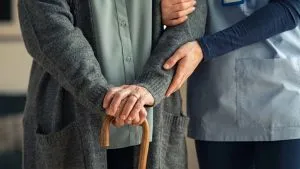
If you’ve been prescribed a walking stick, walker or other mobility aid, using it correctly can help you move around more safely and confidently.
Could you benefit from extra support?
Sometimes a little extra support can make a big difference. If you’ve noticed changes in your mobility, balance or confidence, there may be services available to help you stay active and independent.
As part of Support at Home, you may be able to access allied health services, such as physiotherapy through our partner provider, Plena Healthcare. A physiotherapist can assess your mobility, recommend exercises to improve strength and balance, and help reduce your risk of falls.
You may also benefit from personal care support with tasks such as showering, dressing and moving safely around the home. Best of all, eligible clinical services, including physiotherapy, are fully funded under Support at Home with no customer contribution required.
We’re here to help
If you’ve experienced a fall, had a recent change in your mobility, or are feeling less confident getting around, speak with us. Together, we can help identify ways to support your mobility, safety and wellbeing, so you can continue living the life you deserve.
Taking steps to prevent falls today can help you continue living well at home tomorrow.