From 1 October 2026, approved personal care services under the Australian Government’s Support at Home program will be fully government-funded.
This means if you receive approved personal care services through Support at Home, you will no longer pay a co-contribution for those services. For many older Australians, this will help make essential care at home more affordable and easier to access.
Key points to note:
From 1 October 2026, approved personal care services under Support at Home will be fully government-funded, meaning there will be no out-of-pocket costs for eligible participants.
- If you are already approved for personal care services, you do not need a new assessment, reassessment or approval.
- Personal care services include support with essential daily activities such as getting in and out of bed, dressing, personal hygiene, toileting, eating and drinking, and continence support.
- Your services can continue as they do today, with no interruption to your care arrangements.
A welcome change for older Australians receiving Support at Home services
Many older Australians rely on personal care services to maintain their independence, wellbeing and quality of life at home.
From 1 October 2026, approved personal care services under the Australian Government’s Support at Home program will become fully government-funded. This means eligible participants will no longer pay out-of-pocket contributions for these important services.
The change is part of the Australian Government’s ongoing aged care reforms and recognises the important role personal care plays in supporting health, safety, dignity and independence.
What’s changing?
Currently, personal care services sit within the Independence category under Support at Home and may attract a participant contribution based on individual circumstances.
From 1 October 2026, personal care services will move to the Clinical Supports category, which is fully funded by the Australian Government.
As a result, eligible participants will no longer need to contribute towards the cost of approved personal care services delivered from this date.
What is personal care?
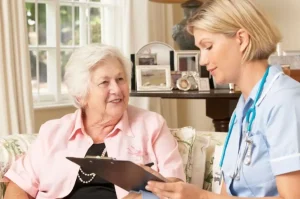
Personal care includes support with everyday activities such as showering, dressing, personal hygiene, eating and drinking. These services will continue to be delivered in the same way they are today. The only change is how they are funded.
What do you need to do?
If you are a Support at Home customer approved for personal care services and have available funding within your budget, there is nothing you need to do. You don’t need a new assessment or any new applications. Your existing care arrangements can continue as normal.
Frequently Asked Questions
The change takes effect from 1 October 2026.
Personal care services delivered from this date will be fully government-funded for eligible Support at Home participants.
Please note: You may still receive an invoice in October for personal care services delivered before 1 October 2026 where a contribution was payable. This may also occur in November if there are any late claims relating to services provided before 1 October.
The change applies to people who:
- receive Support at Home funding
- are approved for personal care services in their support plan
- have available funding in their Support at Home budget
No. From 1 October 2026, you will no longer pay out-of-pocket contributions for approved personal care services delivered under Support at Home.
Approved personal care services include:
- Showering
- Bathing
- Dressing
- Personal hygiene
- Continence support
- Eating assistance
- Help with self-administering medication
No. If you already have approval for personal care services, the change will apply automatically.
There is no need for a new assessment or reassessment.
No. Your services will not be interrupted or changed by this.
Not automatically. Your existing care plan and approvals will remain in place. If you would like to discuss increasing your personal care services, please contact us.
While personal care will become fully funded, contributions will still apply to other Support at Home services. The contribution arrangements for these services are not changing.
For many older Australians and their families, personal care is one of the most important forms of daily support.
- Removing participant contributions for personal care can help:
- Reduce the cost of receiving essential care at home
- Improve access to personal care services
- Support dignity, comfort and personal wellbeing
- Remove financial barriers to receiving help when needed
- Allow participants to make better use of their available funding
If concerns about contributions have prevented someone from accessing personal care in the past, now may be a good time to review their care plan with their provider.
You do not need to take any immediate action.
However, it may be helpful to:
- Review your current care plan
- Confirm that personal care is included in your approved services
- Discuss any future care needs with your Care Partner
- Review your statements and invoices after 1 October 2026 to ensure personal care contributions no longer appear
- We can help you understand how the change applies to your individual circumstances.
Yes. Contributions may still apply to:
- Cleaning
- Gardening
- Meal preparation
- Transport
- Other non-clinical Support at Home services
- Only approved personal care services are becoming fully government-funded.
No. This change applies only to participants receiving services through the Support at Home program.
The Commonwealth Home Support Programme (CHSP) will continue under its current arrangements.
No. Any contributions paid for personal care services provided before 1 October 2026 will not be refunded.
You should see the change reflected in your statements and invoices for services delivered from 1 October 2026.
We are here to help if you would like help understanding how this change affects your care or funding.
We can explain your care plan, funding arrangements and any contributions that may still apply to other services.